The Dining Table Buying Guide: 10 Things to Check Before You Buy
A dining table is one of the biggest furniture purchases you’ll make — and one of the longest-lived. Buy well and it hosts a decade of Thanksgivings; buy wrong and you’re working around it for years. Before you spend a dollar, run through these ten checks. Prices vary widely by size, material, and retailer, so treat every number here as approximate and check current listings before you buy.
1. Measure the room — and the route in
Measure your dining space first, then measure doorways, hallways, and stairwells the table must travel through. A beautiful table that doesn’t fit through the front door is a delivery-day disaster. Leave roughly three feet of clearance around the table so chairs can pull out and people can walk behind seated guests.
2. Pick the shape for your room, not just your taste
Round tables suit square rooms and encourage conversation; everyone faces everyone. Rectangular tables fit long, narrow rooms and seat more people for the same footprint. Square tables work in small spaces but get awkward past four diners. Oval tables split the difference — softer than rectangular, more capacity than round.
3. Plan seating with real numbers
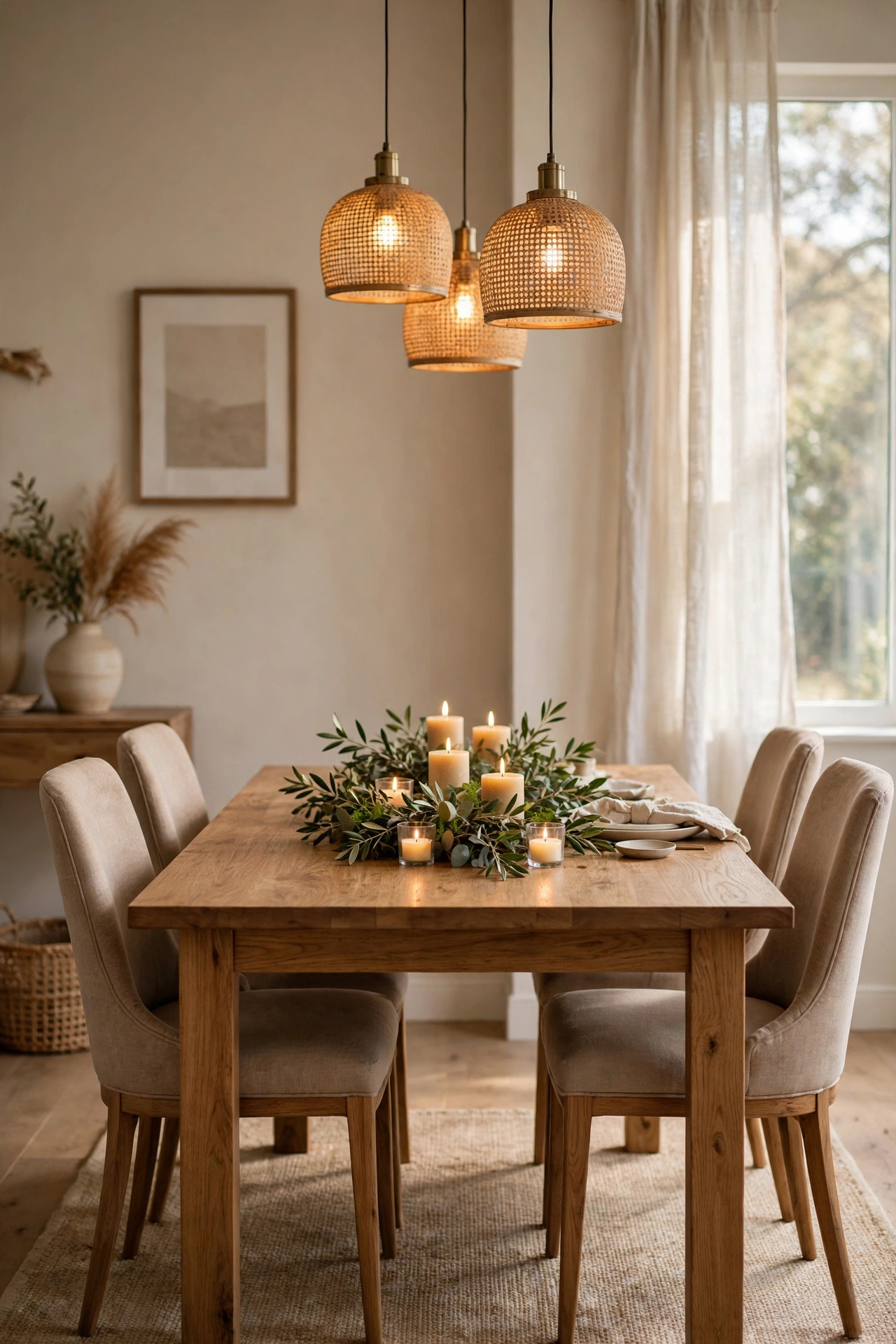
Allow about two feet of table width per diner for comfortable elbow room. A six-foot table seats six comfortably; squeeze in eight only for holidays. If you host Thanksgiving regularly, an extendable table (more on that below) is worth its weight in gold.
4. Understand what the table is made of
Solid wood is durable, ages beautifully, and can be refinished — but it costs more and can be heavy. Engineered wood and veneer look like wood at a lower price but scratch through to the layer beneath and can’t be sanded down. Glass tops look light and modern but show every fingerprint. Pick the material that matches how you actually live.
5. Match the finish to your household
Kids, pets, and daily homework sessions call for hard-wearing finishes — sealed tops that shrug off spills and heat. A delicate matte or whitewashed finish looks stunning in photos but shows every ring and scratch in real life. Ask how the finish handles water rings and whether it needs coasters religiously or forgives the occasional one.
6. Check the legs before you fall in love
Leg placement decides whether chairs actually fit under the table. Corner legs maximize seating; a chunky trestle base or wide apron can eat knee space and block end chairs. Sit in a chair at the table (in the store, or imagine it carefully online) and check that your knees clear the apron and the chairs slide in fully.
7. Consider extendable for holiday hosting
Butterfly-leaf and self-storing extension tables transform from everyday four-top to holiday eight-top in a minute. They’re the practical answer to “we need a bigger table once a year.” Test the mechanism in person if you can — a stiff, fiddly leaf you’ll avoid using is just dead weight.
8. Get the height right for your chairs
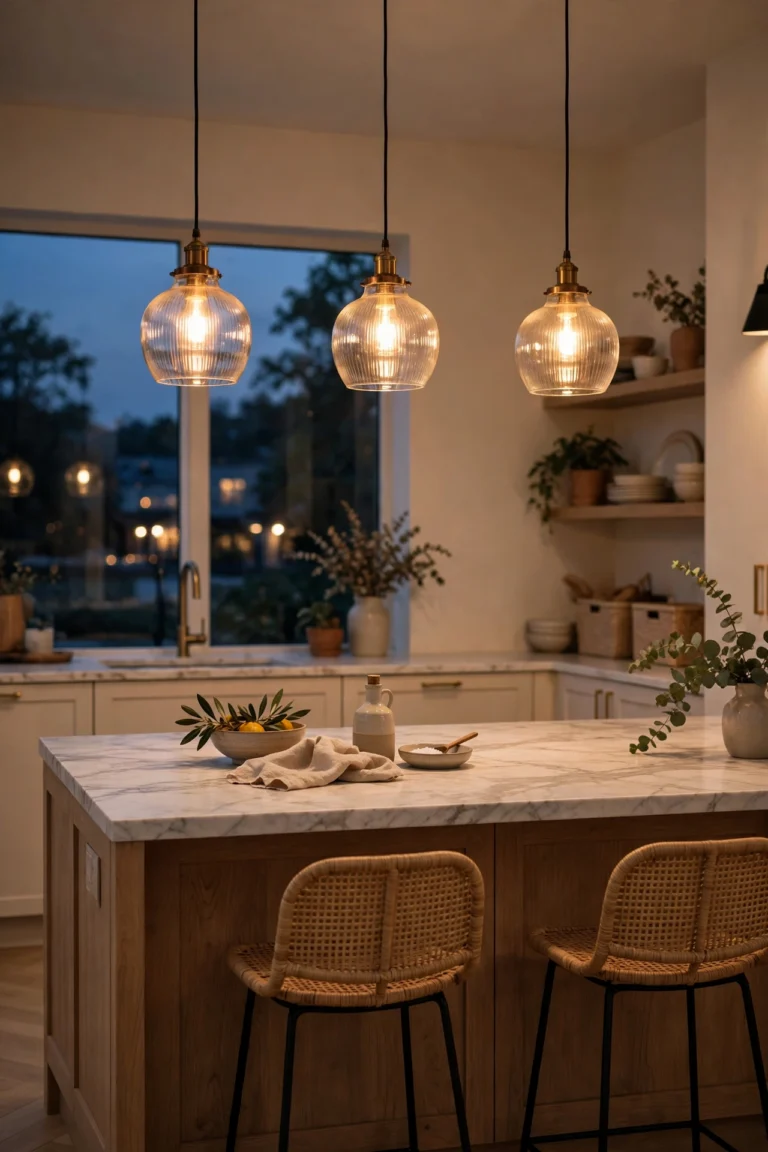
Standard dining height is around 28 to 30 inches; counter height is around 36 inches. Dining height is the classic choice and suits most rooms; counter height feels casual and doubles as extra kitchen workspace. Mixing heights — dining table with counter-height chairs — is a recipe for sore backs, so match them deliberately.
9. Buy a style that will outlast trends
Trendy bases and finishes date a table fast. If you love a bold look, put the trend in the chairs (cheaper to replace) and keep the table timeless: simple lines, a warm wood tone, a shape that works. A classic table with fun chairs always looks intentional; a trendy table with dated details just looks old.
10. Set your budget with the long view
Basic veneer or engineered-wood tables often land in the low hundreds; solid wood tables typically run from the high hundreds into the thousands depending on size and craftsmanship. Prices vary a lot by retailer and season — holiday sales are a genuinely good time to buy furniture. Whatever you spend, a table you use daily for ten years costs pennies per meal.
The bottom line
Measure twice, think about how you actually eat and host, and prioritize fit and durability over the trendiest silhouette. The right dining table disappears into your daily life — and shows up, rock solid, every holiday.